 |
ISICO | Skill Development NGO
|
ISICO | Skill Development NGO

Project Sections
🌐 Sectors Connected to This Project
Aligned with priority sectors under Skill India and CSR initiatives.
📚 Training Support Courses
Defined training modules that translate skills into real-world capability.
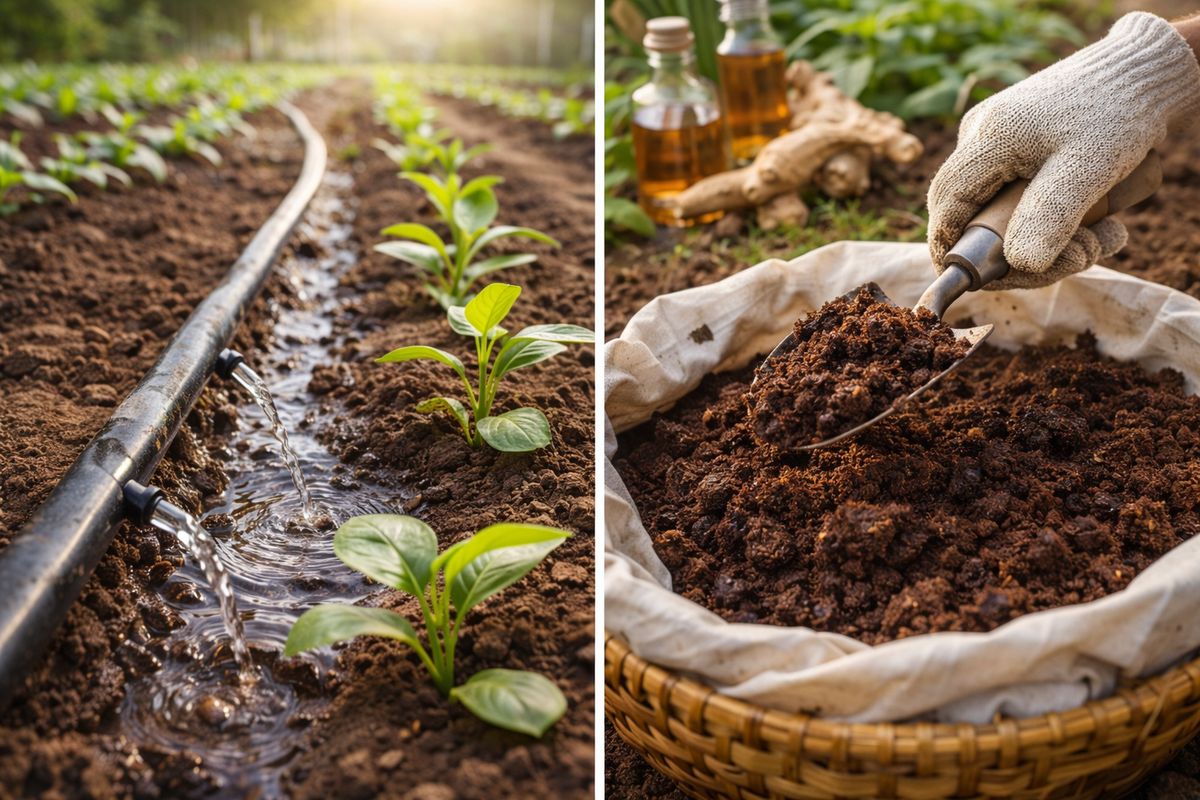
Organic Farming and Soil Management
ISICO Skill Development Initiative
Agriculture & Allied Sciences
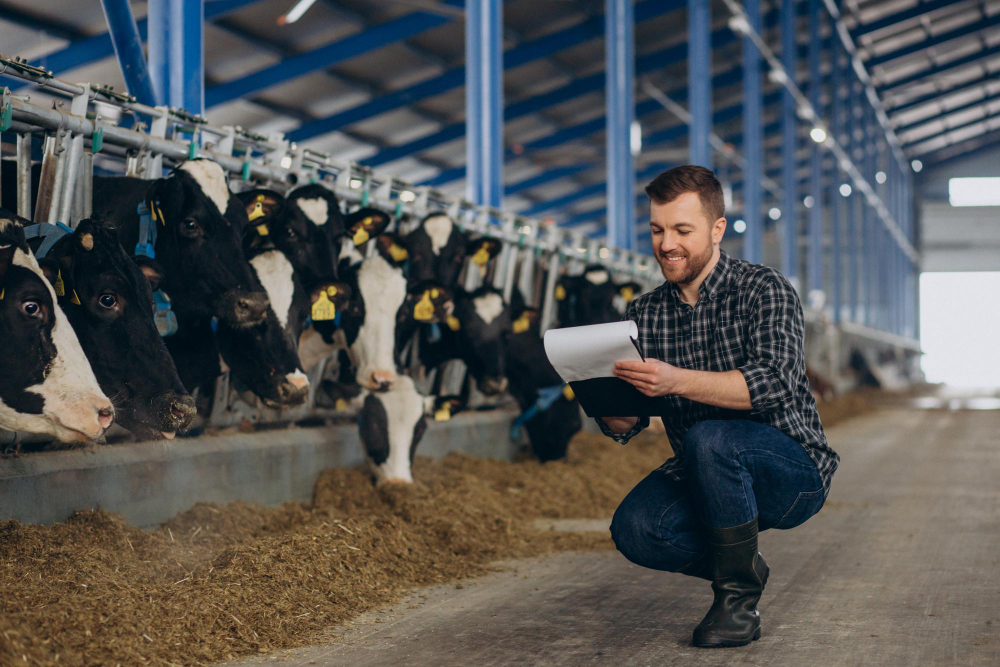
Dairy Farming & Livestock Management
ISICO Skill Development Initiative
Agriculture & Allied Sciences
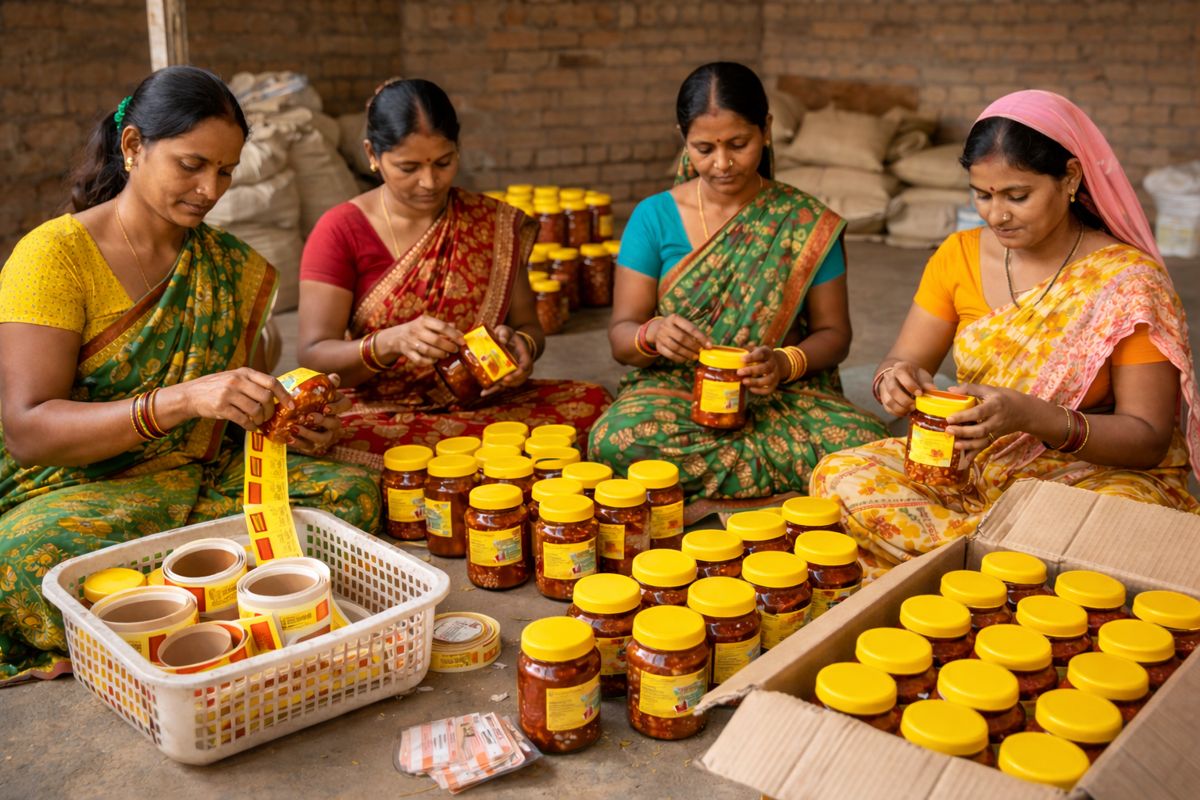
Food Processing & Value Addition
ISICO Skill Development Initiative
Food Technology & Processing

Bakery & Homemade Products
ISICO Skill Development Initiative
Food Technology & Processing
🧭 Standard ISICO Learning Path (Customizable)
A universal, project-agnostic framework guiding learners from awareness to sustainable income or employment.
🔗 Multidisciplinary Integrated Skill-to-Income Model
A flat, professional timeline model showing how ISICO integrates multiple sectors into a complete Skill-to-Income ecosystem.
This model is designed as a clean timeline infographic, similar to corporate roadmaps used in CSR and government projects. Each stage represents a sector-linked capability, connected through a single value-chain flow. Together, these stages form an adoptable ecosystem across all ISICO initiatives.
🎯 Learning Outcomes
Measurable outcomes ensuring accountability, employability, and rural impact.
Learners who complete this pathway will acquire practical skills in sustainable agriculture, dairy management, waste management, and value-added product development. They will be able to apply these skills to create integrated livelihood models using locally available resources.
Participants will gain the ability to convert raw materials into market-ready products and effectively utilize digital tools for promotion, communication, and sales. The pathway also develops entrepreneurial capabilities, enabling learners to plan, manage, and operate small-scale businesses individually or as part of Women SHGs.
By the end of the pathway, learners will be prepared to generate sustainable income, adopt environmentally responsible practices, and contribute to rural economic development through self-employment and community-based enterprises.
Project Overview
About Project
A community-based awareness and capacity building initiative focusing on sustainable agriculture, waste management, and digital enablement for rural livelihood development.
This project aims to create awareness and build capacity among rural communities on sustainable agriculture, waste management, and digital enablement. It is designed to educate and prepare beneficiaries, especially women SHG members and rural youth, for adopting environmentally responsible practices and improving livelihood opportunities.
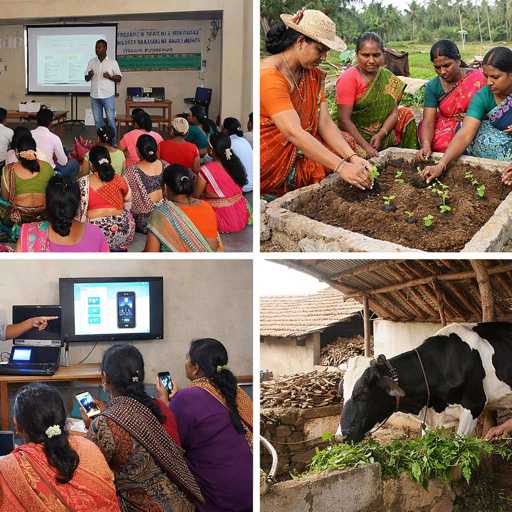
The project includes village-level awareness sessions, demonstrations, and workshops focusing on organic farming, waste segregation, composting, and basic digital tools for communication and marketing. Practical demonstrations and community engagement activities will help participants understand real-life applications.
The program also serves as an entry point for further skill development by identifying interested participants and linking them to ISICO training programs and livelihood projects. The initiative promotes sustainable practices, enhances knowledge, and creates pathways for self-employment and entrepreneurship.
Objectives
Baseline Survey & Sustainability Plan
Baseline Survey
A preliminary field assessment conducted in selected rural locations indicates low levels of awareness and adoption of s...
A preliminary field assessment conducted in selected rural locations indicates low levels of awareness and adoption of sustainable practices among the target population. Most beneficiaries rely on traditional farming methods, with limited knowledge of organic farming, composting, and waste management. Digital literacy levels are also low, restricting access to market opportunities and information. However, the survey highlights a strong interest among women SHG members and rural youth to participate in skill development programs and adopt improved practices for income generation and livelihood enhancement.
Sustainability Plan
The sustainability of the project will be ensured through community ownership and continuous engagement of beneficiaries...
The sustainability of the project will be ensured through community ownership and continuous engagement of beneficiaries, particularly women SHG members and local groups. After the completion of the awareness phase, identified participants will be linked to ISICO skill development programs and livelihood projects, enabling them to apply the knowledge gained and generate income. Local SHG groups and community leaders will take responsibility for continuing awareness activities and promoting sustainable practices within their villages. Existing community infrastructure such as panchayat halls and training centers will be utilized for ongoing learning and engagement. The project will also leverage digital tools to maintain communication, provide follow-up support, and share knowledge resources with beneficiaries. Partnerships with local institutions, government schemes, and CSR stakeholders will further support long-term sustainability and scaling of the initiative. This approach ensures that the project moves beyond awareness to continuous skill development, livelihood generation, and community-led growth.
Scalability Plan
The project is designed as a scalable and replicable model that can be expanded across multiple villages and districts....
The project is designed as a scalable and replicable model that can be expanded across multiple villages and districts. Based on the outcomes of the pilot phase, the program can be extended to additional rural locations by leveraging existing community infrastructure such as panchayat halls, schools, and SHG networks. The awareness-based approach enables easy adaptation to different local contexts, while the integration with ISICO skill development courses allows beneficiaries to transition into livelihood projects. The model supports gradual scaling from village-level implementation to block and district-level programs, with potential integration into government initiatives and CSR partnerships. Digital enablement further enhances scalability by allowing remote training, monitoring, and market linkage, making the project sustainable and adaptable for long-term impact.
Problem Statement
Rural communities, particularly women SHG members and small farmers, face limited awareness and access to sustainable agricultural practices, effective waste management systems, and digital tools. The continued use of conventional farming methods, lack of waste segregation, and limited market access result in low productivity, environmental challenges, and reduced income opportunities. There is a growing need to promote awareness and build capacity in sustainable agriculture, resource utilization, and digital enablement to improve livelihoods and support long-term rural development.
Expected Outcomes
The project is expected to significantly improve awareness and adoption of sustainable practices among rural communities. Beneficiaries will gain practical knowledge in organic farming, waste management, and digital tools, enabling them to make informed decisions and improve their livelihoods. The program will enhance the capacity of women SHG members and rural youth, encouraging participation in skill development initiatives and preparing them for income-generating activities. Overall, the project will contribute to environmental sustainability, improved income opportunities, and strengthened rural economic development.
Proposed Impact Visualization
Beneficiaries
Shg
50
Primary beneficiaries from 5 villagesShg
70
Small and marginal farmers engaged in agricultureWomen
60
Small and marginal farmers engaged in agricultureYouth
50
Youth interested in skill development and employmentMetrics
Low Digital Awareness
80
Dependence on Traditional Farming
60
Lack of Waste Management Practices
70
Interest in Skill Development
75
Limited Income Opportunities
65
Quick Stats
No supporters yet
Be the first to support this project!
Partner With Us
We invite Corporate Social Responsibility (CSR) partners, institutions, and stakeholders to collaborate in implementing this community-focused awarene...
No milestones available
Project Roadmap (Execution Phases)
Planned
PendingPlanned
PendingPlanned
PendingPlanned
PendingPlanned
PendingPlanned
PendingPlanned
PendingCost Breakdown
Version V1| Category | Item Description | Qty | Unit Cost | Total | Phase |
|---|---|---|---|---|---|
| Survey | Field Survey Team (3 days) | 1.01 | ₹ 6,000 | ₹ 6,060 | P1 |
| Travel Allowance | Travel & Local Transport | 1.00 | ₹ 4,000 | ₹ 4,000 | P1 |
| Salary-HR | Meetings & Coordination | 1.00 | ₹ 10,000 | ₹ 10,000 | P2 |
| Training | Training Materials & Kits | 1.00 | ₹ 20,000 | ₹ 20,000 | P3 |
| Hardware | Projector / Audio Setup (Rental) | 1.00 | ₹ 10,000 | ₹ 10,000 | P3 |
| Salary-HR | Trainers (Sessions) | 2.00 | ₹ 20,000 | ₹ 40,000 | P4 |
| Hardware | Demo Kits (Compost, Farming) | 10.00 | ₹ 5,000 | ₹ 50,000 | P1 |
| Training | Skill Orientation Programs | 1.00 | ₹ 25,000 | ₹ 25,000 | P5 |
| Admin Cost | Data Collection & Reporting | 10.00 | ₹ 3,000 | ₹ 30,000 | P6 |
| Miscellaneous | Final Event / Handover | 1.00 | ₹ 25,000 | ₹ 25,000 | P6 |
| Admin Cost | audit | 1.00 | ₹ 7,000 | ₹ 7,000 | P7 |
| Total Estimated Cost | ₹ 227,060 | ||||
Budget Summary
Transformation Progress
Before
Expected Outcome
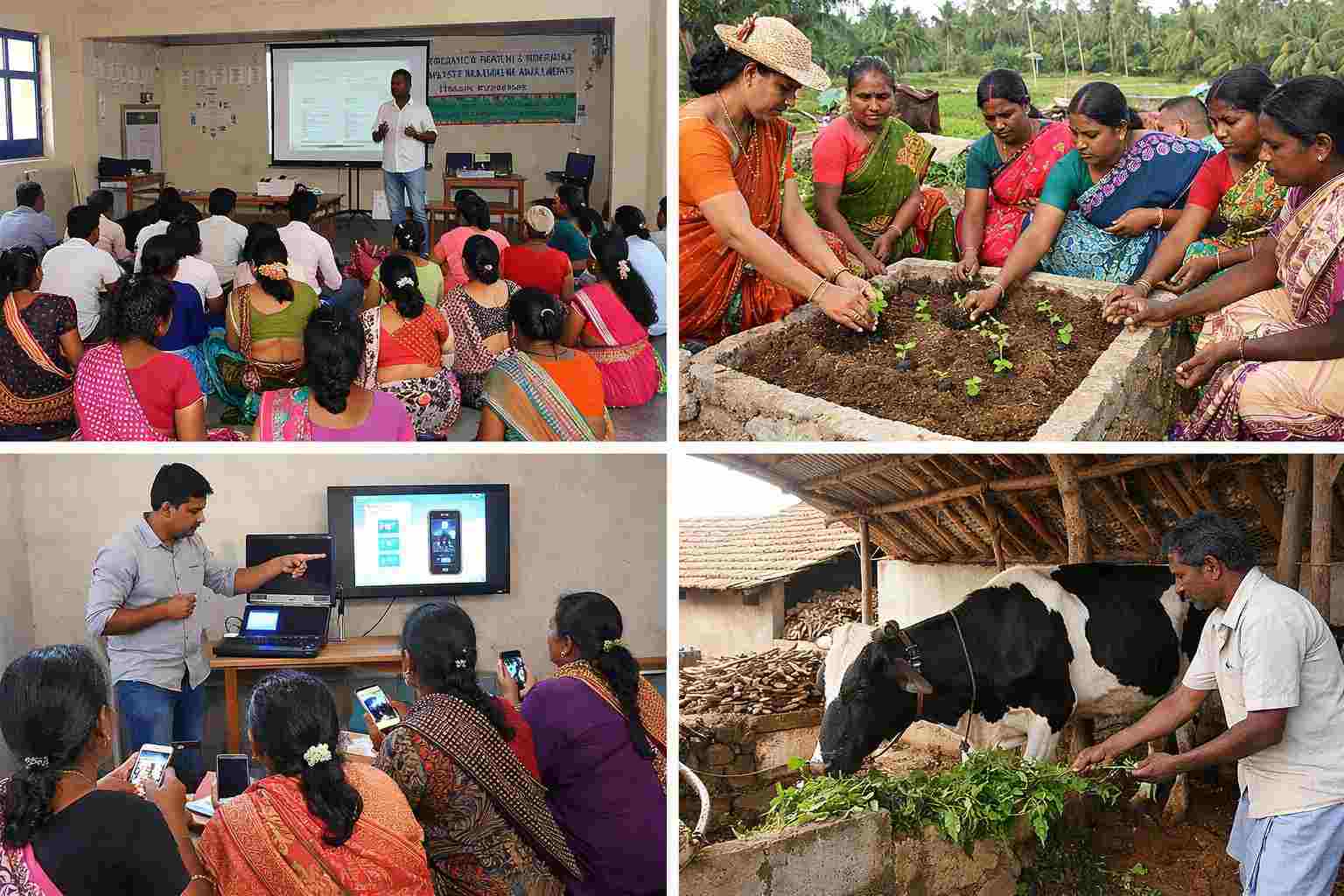
Project Images
Additional Gallery
No documents uploaded yet
Documents will appear here when added
No Link uploaded yet
Link will appear here when added
Share This Project
Resources Needed
The successful implementation of the project will require a combination of human resources, basic equipment, and community infrastructure. Trained facilitators and field coordinators will be engaged to conduct awareness sessions, demonstrations, and community mobilization activities. Local resource persons will support practical demonstrations in agriculture, waste management, and digital usage.
Basic equipment such as audio-visual aids, projectors, training materials, composting demonstration kits, and digital devices (mobile phones/laptops) will be utilized for effective delivery. The project will leverage existing infrastructure including panchayat halls, government schools, and community centers for conducting sessions and workshops.
This approach ensures low-cost implementation while maximizing the use of locally available resources.
Risk Management
Project Manager (ISICO)
Mitigation:Phase-wise implementation and engagement with alternate CSR partners
Field Coordinator
Mitigation:Community mobilization through SHGs and local panchayat support
Training Facilitator
Mitigation:Follow-up activities, demonstrations, and continuous engagement
Operations Coordinator
Mitigation:Use of local infrastructure and flexible scheduling
Digital Trainer
Mitigation:Use of basic mobile-based training and offline support
Community Feedback
Survey responses from stakeholders, beneficiaries & team members
Satisfaction Levels
Project Success Rating
0
Yes0
No0
UnsureRespondents by Role
No Feedback Yet
Be the first to share your experience with this project.
Project Surveys
This survey is conducted to understand the current awareness, practices, and skill levels of beneficiaries in agriculture, waste management, and digital usage. The data will help in designing effective training and measuring project impact.

Goal 1
No Poverty
Goal 2
Zero Hunger
Goal 5
Gender Equality
Goal 8
Decent Work and Economic Growt...
Goal 12
Responsible Consumption and Pr...Strategic
Government Schemes & Policies
Focus Areas
Alignment Notes
The project aligns with key Sustainable Development Goals by promoting rural livelihood development, women empowerment, and sustainable practices. It contributes to poverty reduction and food security through agriculture and dairy activities, while encouraging responsible consumption and waste management. The initiative also supports gender equality by actively engaging women SHG members and enhances economic growth through skill development and income generation opportunities. Additionally, the project promotes environmental sustainability and climate action through organic farming and resource utilization practices.